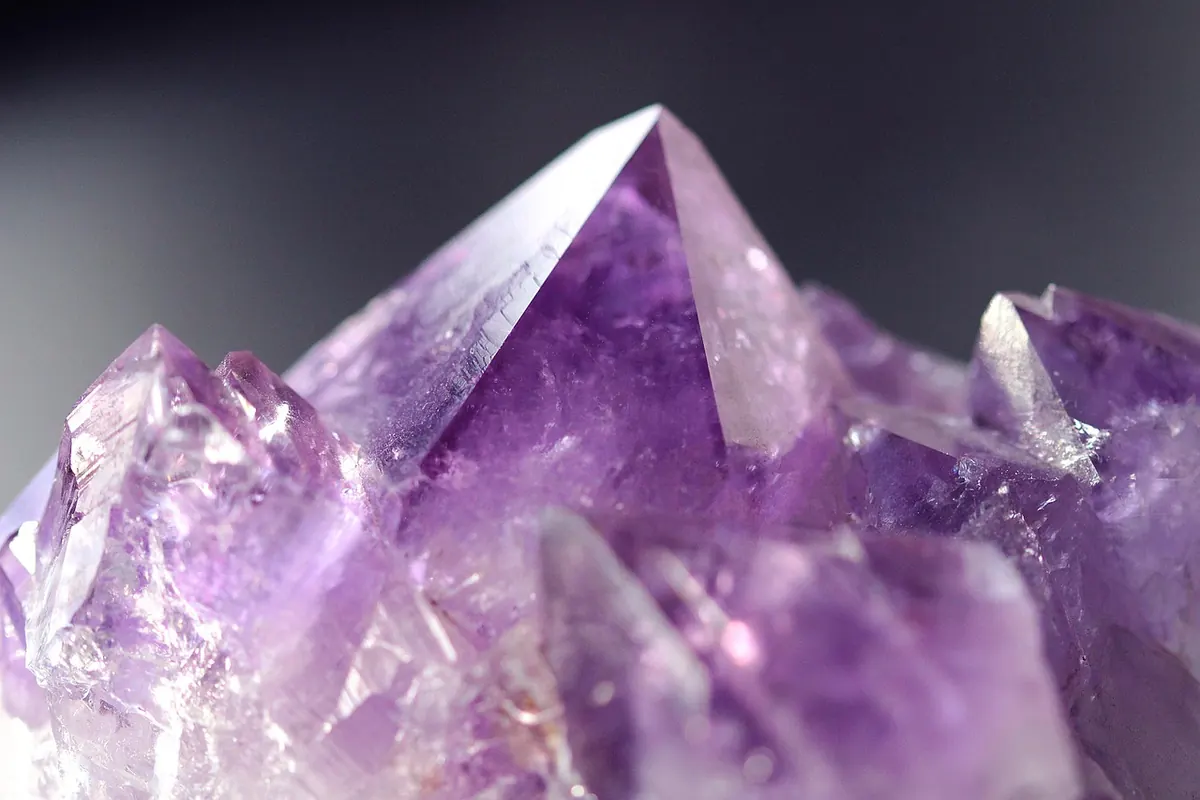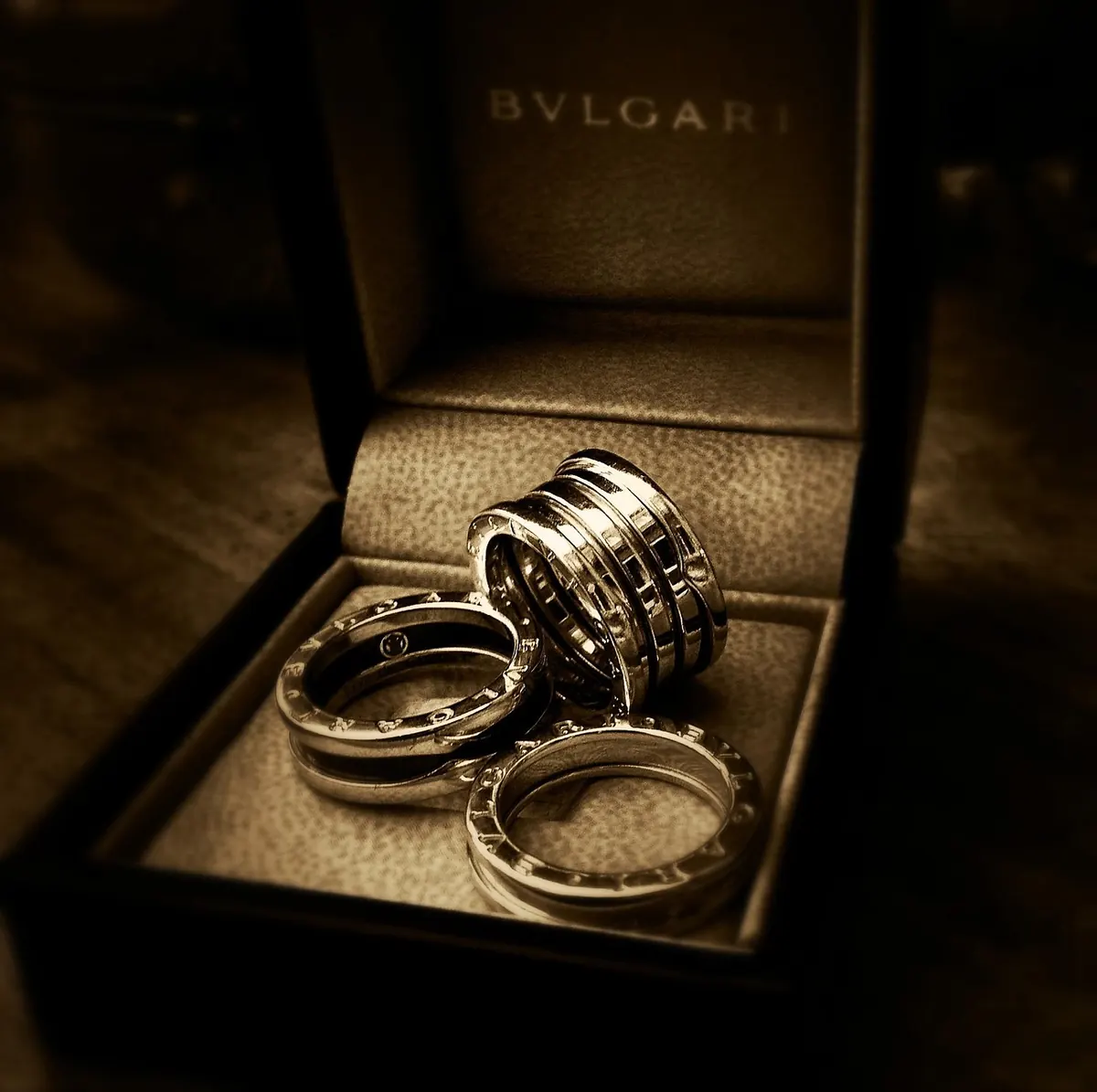
Opal is one of the most rewarding stones to wear, and one of the least forgiving of casual handling. A precious opal holds water — usually between 3 and 10 per cent of its weight — inside its silica structure, and it sits around 5.5 to 6.5 on the Mohs hardness scale. That puts it below quartz, below amethyst, well below the diamond in the ring next to it. Opal is not fragile. But the difference between a stone that still flashes after thirty years and one that clouds, crazes or chips often comes down to a few habits, and none of them are difficult.
Why opal needs its own approach
Two things set it apart. It is soft enough for everyday grit — household dust contains quartz — to leave fine scratches over months of wear. And it contains water, which can leave. Fast or extreme drying can trigger crazing: a web of hairline cracks that dulls the play of colour and cannot be undone. Heat and long spells in very dry air make that more likely. It rarely happens from one evening's wear. It tends to happen to opals left on a sunny windowsill, kept for years in a hot airing cupboard, or worn into a sauna.
It also matters which opal you own. A solid opal is one piece of stone. A doublet is a thin slice glued to a backing; a triplet adds a clear quartz or glass cap on top. Both need extra care around water. If you are unsure which you have, treat it as the more delicate of the two.
Solid, doublet or triplet?
The difference is practical, not just technical. A solid opal can be gently cleaned and, if necessary, re-polished by a skilled lapidary. A doublet or triplet has layers and a bond line. Water can creep into that bond, cloud the stone or weaken the glue. The clear cap on a triplet is also softer than the opal beneath it in some cases, and it can scratch. If you own a doublet or triplet, assume it should never be soaked, never be left in a bathroom, and never go into an ultrasonic cleaner.
How to clean opal jewellery
Keep it brief and gentle. For most pieces, a soft cloth is all you will ever need.
- Dust with a soft, dry cloth first — a lint-free lens cloth or microfibre works well.
- For a solid opal with grime around the setting, add a drop of mild washing-up liquid to a bowl of lukewarm water.
- Dip a very soft brush — a clean makeup brush, or the softest baby toothbrush you can find — and work around the setting rather than over the face of the stone.
- Rinse quickly under cool running water. Never hot.
- Pat dry with a soft cloth, then let the piece air dry completely before putting it away.
Never soak an opal, and never leave one standing in water. That matters most for doublets and triplets, where moisture can creep between the layers, cloud the stone or weaken the bond holding it together.
Treat water as a tool, not a bath: use the least you can, and dry promptly.
One quirk worth knowing: some opals, including many from Ethiopia, are hydrophane and absorb water readily. They often look unusually clear for a few days afterwards. That is usually harmless, but let them dry slowly at room temperature. A hairdryer or a radiator is the wrong answer.
Things to keep away from opals
- Ultrasonic and steam cleaners. Heat and vibration are exactly what an opal with a hairline crack does not need.
- Ammonia, bleach, chlorine and multi-surface sprays. Take rings off before you clean the bathroom, wash dishes, or handle pool chemicals. Chlorine and abrasive cleaners can dull the surface and attack the setting.
- Perfume, hairspray, lotions and sunscreen. These leave a film that makes the stone look tired. Put jewellery on last, after your beauty routine has dried.
- Sudden heat and very dry air. Saunas, hot cars, sunny windowsills, radiators and hairdryers are all bad news. Opal likes slow, stable conditions.
- Hard knocks and abrasive grit. Gardening, gym sessions, moving furniture and washing up are all moments to take an opal ring off. A single knock against a doorframe can chip a stone that has survived years of careful wear.
- Alcohol-based hand sanitiser and harsh soaps. They can leave residue in the setting and on the stone. If you use sanitiser often, remove your opal ring first.
If a chemical does splash onto an opal, do not panic and do not scrub. Wipe it with a barely damp soft cloth, then dry it gently. If the piece looks cloudy or greasy afterwards, have a jeweller look at it rather than trying to fix it yourself.
Storing opal jewellery safely
Storage is where many opals quietly suffer. A loose opal in a jewellery box can be scratched by a diamond, a gold clasp or even another opal. A ring left in a sunny window can dry out over months. Good storage is simple, but it should be deliberate.
For everyday storage
- Keep each piece separate. A soft pouch or a lined compartment prevents metal and harder stones from rubbing against the opal.
- Use a soft cloth pouch rather than a hard plastic box for the opal itself. The cloth cushions small knocks.
- Store in a cool, dark, stable place — a drawer or a jewellery box away from radiators and direct sun is ideal.
- Do not hang necklaces where they can swing and knock against other pieces.
- Avoid sealing a doublet or triplet in a plastic bag. If you use a bag for a solid opal in a very dry climate, keep it loose and check the stone regularly.
For long-term storage
If you will not wear a solid opal for months, some collectors keep it in a sealed bag with a barely damp cotton pad, especially in very dry climates. The aim is to slow moisture loss, not to create a swamp. Change the pad every month or so, and never do this with a doublet or triplet. If you are unsure, ask a jeweller who knows opals. For most homes, a soft pouch in a drawer is enough.
Wearing opal jewellery safely
Most damage happens in seconds: a knock against a doorframe, a ring left on while gardening, a pendant sprayed with hairspray. A few habits make a remarkable difference.
Rings
- Choose a protective setting. A bezel or a low-profile setting shields the edges of the stone better than tall claws.
- Wear opal rings for dinner, the office and social occasions — not for sport, DIY, moving furniture or heavy dishes.
- Put rings on after perfume, lotion and hairspray have dried.
- Remove them before swimming, showering, washing up or using hand sanitiser.
- Take them off before bed if you tend to knock your hands in your sleep.
Necklaces, earrings and brooches
These are generally safer because they sit away from the constant knocks a ring receives. Even so, a pendant can rub against buttons, an earring can catch on a scarf, and a brooch on a heavy coat can take a hit. Check clasps and pins regularly, and keep hairspray and perfume away from the stone. If a setting feels loose, stop wearing the piece until a jeweller has tightened it.
When to see a jeweller
A loose stone, a chip, a sharp edge, a cloudy doublet or a web of fine cracks should all be checked. Do not try to polish an opal at home. A lapidary can re-polish a solid opal, but every polish removes a little material, and crazing cannot be reversed. If a doublet or triplet clouds, replacement is often the only realistic option. Early attention is almost always cheaper than waiting.
A simple care routine
- Wear opal last, after perfume and makeup.
- Remove it first when you get home, before chores.
- Wipe it with a dry soft cloth after wear.
- Store it separately in a soft pouch.
- Clean with lukewarm water only when needed, and never soak it.
- Check settings once a month and see a jeweller once a year.
None of this is fussy. It is just a matter of treating opal as what it is: a beautiful, water-bearing stone that rewards a little attention with decades of colour.
Photo: LoboStudioHamburg / Pixabay